Category: Health

  • Dental Implants vs Dentures: Weighing Your Options

    Tooth loss is common, and both dentures and dental implants are established, legitimate solutions, each genuinely suited to different needs, circumstances, and stages of life. Neither option is universally “better”, and understanding how they actually differ helps make sense of which direction might suit your specific situation.

    How Dentures and Implants Fundamentally Differ

    Options like Axis Dental implants work on a fundamentally different principle to dentures, and understanding this basic difference is the starting point for weighing up the two. Dentures are removable prosthetics that rest on the gums, held in place through a combination of suction, adhesive, and the natural shape of the mouth. They can be taken out and put back in as needed, which some people find practical and others find less convenient.

    Dental implants, by contrast, involve a small titanium post surgically placed into the jawbone, which then serves as a permanent anchor for a replacement tooth or teeth. Once healed, an implant functions as a fixed part of the mouth rather than a removable device, more closely mimicking the structure of a natural tooth.

    Comfort and Daily Function

    Dentures can shift slightly during eating or speaking, particularly if they aren’t perfectly fitted or if adhesive wears off during the day. Many people adjust to this over time, but it’s a genuine consideration, especially in the early period of wearing dentures, when chewing certain foods or speaking clearly can take some adjustment.

    Implants, once fully healed, generally function much like natural teeth, without the shifting or adhesive dependency associated with dentures. This can make eating and speaking feel more natural for many people, though the healing process itself does involve a period of adjustment before implants are fully functional.

    Longevity and Maintenance Considerations

    Dentures typically require periodic relining or eventual replacement over the years, since gum and jaw structure can change over time, affecting how well a denture continues to fit. This means dentures often involve some ongoing adjustment and maintenance as a normal part of long-term use.

    Implants are generally designed as a long-term solution, with the implant post itself intended to remain in place for many years under proper care. That said, both options require consistent oral hygiene and regular dental check-ups to maintain long-term success, and no solution should be considered entirely maintenance-free.

    Bone Health and Long-Term Oral Impact

    One meaningful difference between the two options relates to jawbone health over time. Dental implants provide a degree of stimulation to the jawbone similar to a natural tooth root, which can help maintain bone density in the area over the long term. Dentures, resting on top of the gums rather than integrating with the bone, don’t provide this same stimulation, which can contribute to gradual bone changes in the jaw over an extended period for some patients.

    This is a factor worth discussing directly with a dentist, since the significance of this difference can vary depending on individual circumstances and how much bone has already changed prior to tooth loss.

    Cost and Treatment Time Considerations

    Generally speaking, dentures tend to involve a lower upfront cost and a shorter overall treatment timeline compared to implants, making them a more accessible option for some patients, particularly where budget or time constraints are significant factors. Implants typically involve a longer treatment process, often including a healing period after the implant post is placed before the final restoration is completed, along with a higher upfront investment.

    These practical differences matter meaningfully for many people, and it’s worth discussing your specific budget and timeline expectations openly with a dentist as part of deciding which option genuinely fits your circumstances.

    Making the Right Choice for Your Situation

    The right choice between dentures and dental implants ultimately depends on your individual oral health, lifestyle, budget, and personal goals, none of which can be properly weighed without a proper professional assessment of your specific situation. Both options have genuinely helped countless people restore function and confidence after tooth loss, and neither should be dismissed without a proper conversation about what fits your circumstances best. If you’re currently weighing up these options, booking a consultation is the most reliable way to get advice tailored specifically to your mouth and your goals.

  • Surgical vs Non Surgical Scar Treatment: What’s the Difference?

    Scars come from all kinds of sources. Surgery, injury, burns, and acne can all leave lasting marks, and while the cause varies, the treatment landscape generally splits into two broad categories: surgical and non surgical approaches. Understanding the difference between them, and why one might be chosen over the other, is a useful starting point for anyone weighing up their options rather than assuming one path is automatically better than the other.

    What Falls Under Non Surgical Treatment

    Non surgical treatment covers a wide range of approaches, all working without cutting or removing tissue. Laser therapy encourages the skin to remodel itself and produce new collagen, gradually improving texture and tone over a series of sessions. Microneedling works on a similar principle, using controlled micro injuries to stimulate the skin’s own repair response. Chemical peels can improve surface texture and pigmentation for shallower scarring, while silicone based treatments, in sheet or gel form, are commonly used for newer scars to help reduce thickness and redness as they mature. Injectable fillers are another option, used to temporarily plump depressed scarring by restoring lost volume. Dermatology Clinics scar treatment covers this range of non surgical approaches in more detail, since the right combination depends heavily on the type and age of the scar involved.

    What Falls Under Surgical Treatment

    Surgical scar revision is a different category altogether, generally reserved for scars that are large, significantly contracted, or causing functional restriction, such as limiting movement near a joint or across a highly mobile area of skin. Techniques vary depending on the scar itself. Excision involves removing the existing scar tissue and closing the wound with a more refined technique than the original injury allowed. Skin grafting or flap procedures are used for more extensive scarring, particularly from burns, where there isn’t enough surrounding skin to close the area directly. These approaches are typically considered when the scar’s impact goes beyond appearance, though surgical revision can also be chosen for scars in highly visible areas where non surgical improvement has been limited.

    How the Decision Between the Two Is Usually Made

    The choice between surgical and non surgical treatment usually comes down to a handful of practical factors. Scar size and depth matter significantly, since larger or deeper scars often exceed what non surgical remodelling can meaningfully improve. Whether the scar restricts movement or function is another major factor, as this tends to push treatment toward surgical correction rather than gradual improvement. The age of the scar plays a role too, since newer scars are generally more responsive to non surgical treatments like silicone therapy or laser, while older, more established scars may need a more direct approach. Personal tolerance for downtime and recovery time also factors in, given that surgical options typically involve a longer recovery period than most non surgical treatments.

    Can the Two Be Combined?

    It’s a common misconception that surgical and non surgical treatment are mutually exclusive. In practice, they’re frequently combined, particularly for larger or more complex scars. A typical approach might involve surgical revision to reduce the scar’s overall size or correct its structure, followed by a course of laser therapy or microneedling to refine the resulting scar line and improve its final appearance. This staged approach often produces better results than either method alone, since surgery addresses structural issues that remodelling treatments can’t reach, while non surgical follow up refines what surgery leaves behind.

    The Takeaway

    Neither surgical nor non surgical treatment is inherently the better option, they simply serve different purposes depending on the scar in question. A shallow, recently formed scar and a large, contracted scar restricting movement call for entirely different approaches, and sometimes a combination of both. Rather than starting with a preference for one method over the other, the more useful starting point is an honest assessment of the scar itself, since that’s usually what determines which path, or combination of paths, actually makes sense.

  • Reliable Light Therapy Solutions Enhance Aesthetic Care Experiences Daily

    Modern aesthetic care values gentle, comfortable approaches that support healthier-looking skin and an enjoyable self-care routine. Light therapy has become an appealing option because it can complement regular skincare goals while creating a relaxing treatment experience. Consistent use can help individuals feel more confident about maintaining a fresh, vibrant appearance.

    Comfortable Care With Modern Light Therapy

    Light-based care can fit naturally into routines focused on appearance and overall wellness. Its non-invasive character makes it an attractive choice for people seeking a simple addition to their personal care habits.

    • Designed for a comfortable treatment experience
    • Easy to incorporate into regular routines
    • Supports a calm and relaxing self-care moment
    • Complements established skincare practices
    • Encourages consistent attention to skin wellness

    Supporting A Healthier-Looking Complexion

    Consistent light therapy can support aesthetic goals by encouraging a refreshed and revitalized appearance. When paired with good skincare habits, it can become a valuable part of a balanced approach to maintaining skin that looks bright, smooth, and cared for.

    • Helps promote a refreshed appearance
    • Supports a more radiant-looking complexion
    • Complements daily hydration and skincare
    • Encourages a consistent beauty routine
    • Adds a soothing element to personal care

    Promoting Relaxation And Positive Wellness

    Aesthetic care can also contribute to how people feel throughout the day. A quiet light therapy session may create an opportunity to pause, relax, and focus on personal wellness. This makes the experience about more than appearance alone.

    • Creates a peaceful self-care opportunity
    • Supports a relaxing daily ritual
    • Encourages mindful personal care
    • Complements routines designed around balance
    • Can contribute to a positive sense of well-being

    Flexible Support For Personal Goals

    Different people have different aesthetic priorities, from maintaining a fresh glow to supporting an established skincare routine. Light therapy can be incorporated according to preferences, making it a versatile addition to everyday self-care.

    • Fits easily alongside skincare routines
    • Supports appearance-focused wellness goals
    • Works well with consistent personal care habits
    • Offers a simple approach to regular maintenance
    • Encourages long-term attention to self-care

    A Positive Addition To Daily Aesthetic Care

    Reliable light therapy can make aesthetic routines feel more enjoyable, organized, and purposeful. With regular attention and a positive approach to wellness, it can complement everyday habits while supporting healthy-looking skin and renewed confidence. Some individuals also explore Red Light Therapy for Mood as part of a wellness routine, appreciating the relaxing atmosphere that light-based sessions can provide.

    Building A Consistent Routine

    Consistency can help turn self-care into a rewarding habit. Combining light therapy with gentle cleansing, hydration, balanced nutrition, rest, and other healthy lifestyle choices can create a well-rounded approach to everyday vitality.

    • Set aside regular moments for personal care
    • Follow a comfortable and consistent routine
    • Pair treatments with nourishing skincare habits
    • Stay attentive to overall wellness
    • Celebrate gradual improvements in confidence and appearance

    Light therapy offers a positive, convenient, and comfortable way to enhance aesthetic care experiences. By fitting naturally into personalized routines, it can support healthy-looking skin, relaxation, confidence, and everyday vitality

  • Strengthen Your Digestion Naturally by Starting Your Morning with a Ginger Shot

    A healthy digestive system is the cornerstone of overall wellness. One of the simplest and most effective ways to boost your digestion is by starting your day with a ginger shot. Packed with natural compounds, ginger has been celebrated for centuries for its ability to support digestive health, boost immunity, and enhance energy levels. Incorporating a ginger shot into your morning routine can transform the way your body processes food and absorbs nutrients. Many health lovers trust https://pauliesginger.com/ for their ginger shot needs because each sip delivers quality, purity, and exceptional taste.

    The Digestive Benefits of Ginger

    Ginger contains bioactive compounds like gingerol and shogaol, which have powerful anti-inflammatory and antioxidant properties. These compounds can stimulate digestive enzymes, helping your stomach break down food more efficiently. Regular consumption can lead to smoother digestion and reduced bloating, gas, or discomfort.

    Key Benefits for Digestion:

    • Promotes Healthy Digestion: Encourages efficient enzyme activity, reducing indigestion.
    • Reduces Bloating: Helps calm the stomach and minimize uncomfortable swelling.
    • Supports Gut Health: Aids in maintaining a balanced digestive system.
    • Enhances Nutrient Absorption: Improves the body’s ability to extract essential nutrients from food.

    Boost Your Morning Energy Naturally

    A ginger shot is a natural energizer, offering a gentle yet invigorating start to your day without caffeine. The warming properties of ginger increase circulation, helping you feel more alert and focused. Starting your morning with this small, potent drink can set a positive tone for your entire day, leaving you feeling light, energized, and ready to take on challenges.

    Why a Morning Ginger Shot Works:

    • Kickstarts Metabolism: Helps your body burn energy more efficiently from the start.
    • Stimulates Circulation: Provides a natural boost in vitality and alertness.
    • Supports Immune Health: Strengthens the body’s natural defenses.
    • Reduces Morning Nausea: Soothes the stomach and eases discomfort.

    Easy Ways to Incorporate Ginger Shots

    Incorporating ginger shots into your morning routine is simple and quick. A small shot of fresh ginger juice or a pre-made ginger blend can be consumed directly or mixed with a splash of lemon or honey for extra flavor. Consistency is key daily intake ensures your digestive system receives the full spectrum of benefits.

    Tips for Maximum Effectiveness:

    • Use Fresh Ginger: Fresh ginger contains higher concentrations of active compounds.
    • Pair with Lemon or Honey: Adds natural flavor and enhances digestion.
    • Drink on an Empty Stomach: Supports optimal absorption and gut stimulation.
    • Make It a Routine: Daily consumption strengthens long-term digestive health.

    Embrace a Healthier Digestive Routine

    Starting your day with a ginger shot is a simple yet powerful way to naturally strengthen your digestion. Its anti-inflammatory, antioxidant, and enzyme-stimulating properties offer long-term benefits for your digestive system, energy levels, and overall well-being. By making this easy habit part of your morning ritual, you can enjoy a lighter, more energized, and healthier start to every day.

  • Gentle Warming Techniques Keep You Safe from Painful Chilblains Always

    Cold weather can be enjoyable, but it can also put your skin at risk. One common winter problem is chilblains painful, itchy swellings caused by sudden changes in temperature. They usually affect fingers, toes, ears, and nose. The good news is that with gentle warming techniques, you can protect yourself from this discomfort and keep your skin healthy all season. By avoiding extreme temperature changes and using safe warming methods, you can enjoy winter without fear of painful flare-ups.

    Why Gentle Warming Works

    Chilblains occur when cold skin is warmed too quickly, causing small blood vessels to leak fluid and become inflamed. Gentle warming allows your body to adjust gradually, reducing the risk of damage. This method is safer, more comfortable, and promotes better circulation.

    Effective Gentle Warming Techniques

    These simple, safe methods can help you stay warm and protect against chilblains:

    • Layer Clothing Smartly – Wear several thin layers rather than one heavy layer. This trap heat effectively and lets you adjust warmth without sudden changes in chilblains.
    • Warm Your Surroundings First – Heat the room before trying to warm your body. This helps avoid direct contact with extreme heat sources.
    • Use Mild Warm Water – If your skin feels cold, place hands or feet in lukewarm water not hot for 15–20 minutes.
    • Wear Soft Thermal Socks and Gloves – Keep extremities warm with breathable materials that hold heat without trapping moisture.
    • Keep Moving – Gentle movements like stretching fingers and toes help improve circulation naturally.
    • Use Warm Blankets – Wrap yourself in blankets made from wool or fleece for a gradual and cozy increase in temperature.

    What to Avoid

    To prevent aggravating chilblains, avoid the following:

    • Direct exposure to heaters or fires
    • Rapidly switching from cold to hot environments
    • Hot water immersion immediately after coming in from the cold
    • Tight footwear or gloves that restrict circulation

    Supporting Your Skin Health

    In addition to gentle warming, you can reduce chilblain risk by:

    • Keeping skin moisturized to prevent dryness and cracking
    • Staying active to promote healthy blood flow
    • Eating balanced meals that support skin repair and circulation
    • Wearing protective clothing even for short trips outdoors

    Benefits of Gentle Warming

    • Prevents Painful Flare-ups – Avoids inflammation and discomfort
    • Protects Skin Health – Reduces dryness and irritation
    • Encourages Consistent Warmth – Keeps body temperature stable
    • Supports Circulation – Promotes healthy blood flow to extremities

    Quick Summary

    Gentle warming techniques are the safest way to prevent painful chilblains. They focus on gradual temperature changes, protective clothing, and healthy circulation habits. By following these steps, you can enjoy the cold season comfortably:

    • Dress in layers
    • Warm surroundings before warming your body
    • Use lukewarm water for warming skin
    • Keep moving to boost circulation
    • Avoid direct and extreme heat sources

    Winter comfort comes from understanding your body’s needs and treating it with care. By embracing gentle warming, you ensure warmth, safety, and healthy skin making every cold day more enjoyable.

  • Diabetes Textbook – A Vital Resource for Effective Disease Management

    Diabetes is a complex condition that requires careful and ongoing management. Having the right information and guidance is essential for patients, caregivers, and healthcare professionals to handle this disease effectively. A diabetes textbook serves as a vital resource by providing clear, accurate, and comprehensive knowledge on managing diabetes. It helps readers understand the disease, its treatments, lifestyle adjustments, and monitoring techniques. This kind of resource empowers individuals to take control of their health and make informed decisions, which leads to better outcomes and improved quality of life. A diabetes textbook is more than just a book it is a trusted guide for managing one of the most common chronic illnesses worldwide.

    Here is how it plays a crucial role in effective disease management:

    Comprehensive Knowledge Base

    A diabetes textbook offers detailed explanations about the types of diabetes, causes, symptoms, and potential complications. It covers essential topics such as:

    • Type 1 and Type 2 diabetes distinctions
    • How insulin works and why it is important
    • Blood sugar regulation and its impact on the body

    This foundational knowledge allows patients and caregivers to understand what is happening in the body and why management is necessary.

    Diabetes Textbook

    Treatment and Medication Guidance

    Managing diabetes often involves medications, insulin therapy, or other treatments. A diabetes textbook provides clear guidance on:

    • Different types of medications and their effects
    • Proper insulin administration techniques
    • Monitoring medication side effects and interactions

    Such detailed instructions help ensure that patients follow their treatment plans correctly, reducing the risk of complications.

    Lifestyle and Dietary Recommendations

    Lifestyle changes play a significant role in diabetes management. A diabetes textbook highlights the importance of:

    • Balanced diet plans tailored to diabetic needs
    • Physical activity benefits and safe exercise routines
    • Weight management strategies to improve blood sugar control

    These recommendations support healthy habits that complement medical treatments and improve overall health.

    Monitoring and Self-Care Techniques

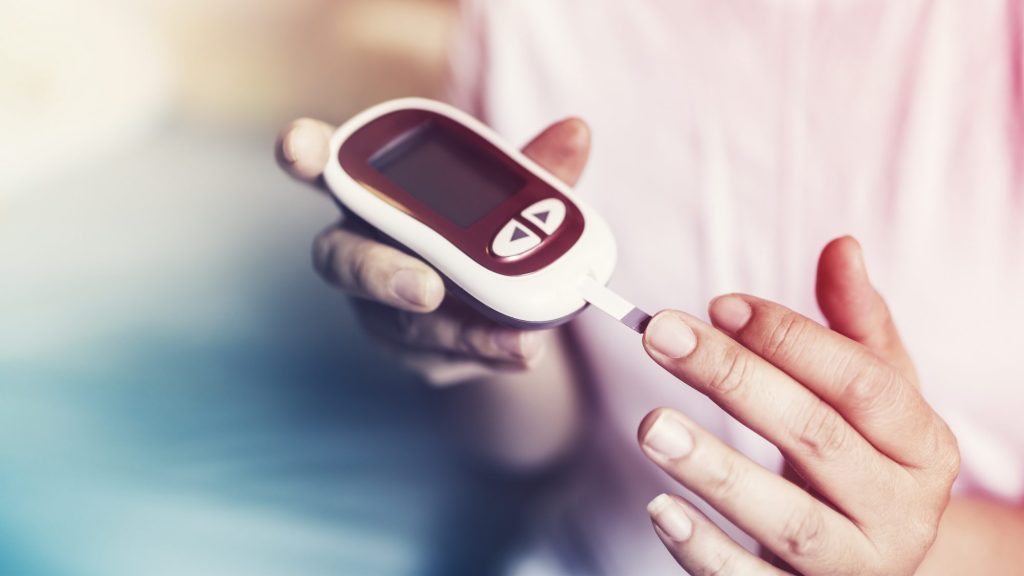
    Regular monitoring of blood glucose levels is critical for effective management. The textbook guides users on:

    • How to use glucose meters accurately
    • Recognizing signs of high and low blood sugar
    • Managing emergencies related to blood sugar levels

    Providing this practical information helps patients become confident in managing their own care.

    Support for Healthcare Providers

    The textbook is an essential resource for healthcare professionals, offering:

    • Updated clinical guidelines
    • Case studies for better understanding
    • Tools for patient education and communication

    This support ensures that care providers deliver evidence-based, patient-centered care.

    Empowerment Through Education

    Education is the key to empowerment. By using a diabetes textbook, patients and caregivers gain:

    • A clear understanding of the disease and its management
    • Confidence to make daily decisions about health
    • Motivation to adhere to treatment and lifestyle changes

    Things to Look For in Diabetes Textbook

    • Diabetes textbooks provide in-depth knowledge about diabetes types and causes.
    • They offer clear treatment and medication guidance for safe and effective management.
    • Lifestyle and diet recommendations are explained to support healthy living.
    • Monitoring techniques help patients take control of their condition.
    • Healthcare professionals benefit from updated clinical information.
    • Education through textbooks empowers patients and caregivers for better outcomes.
  • Enjoy Daily Wellness with Flavorful Multivitamin Gummies

    In today’s fast-paced world, maintaining daily wellness is more important than ever. Thankfully, staying healthy does not have to be a chore. With flavorful multivitamin gummies, you can enjoy a delicious and simple way to support your overall well-being every single day.

    A Tasty Way to Stay Healthy

    Gone are the days when taking supplements meant swallowing oversized pills or dealing with chalky powders. Multivitamin gummies are changing the game with their appealing taste and texture, making health routines something to look forward to rather than avoid. These gummies are available in a variety of fruity flavors, appealing to both adults and children alike. Whether you are a fan of tangy citrus or sweet berry blends, there is a flavor to suit every preference.

    Packed with Daily Nutrients

    Multivitamin gummies are more than just a tasty treat they are packed with essential nutrients that your body needs for optimal function. From immune support to energy production, these nutrients help you feel your best every day.

    Common vitamins and minerals found in multivitamin gummies include:

    • Vitamin C – Supports immune health and antioxidant defense
    • Vitamin D – Helps maintain healthy bones and muscle function
    • Vitamin B12 – Boosts energy levels and supports brain health
    • Folic Acid – Important for cellular health and development
    • Zinc – Aids in immune function and wound healing

    Convenient for Any Lifestyle

    One of the biggest benefits of multivitamin gummies is how easy they are to incorporate into any routine. Whether you are a busy professional, a parent on the go, or simply someone who prefers quick and simple wellness options, these halal multivitamins gummies fit seamlessly into your lifestyle.

    Why people love multivitamin gummies:

    • No water needed take them anytime, anywhere
    • Ideal for people who struggle with swallowing pills
    • A fun, flavorful option for kids and adults
    • Pre-portioned servings eliminate guesswork

    Supporting a Balanced Lifestyle

    While multivitamin gummies are a great supplement, they work best when paired with a balanced diet, regular exercise, and proper hydration. Think of them as an extra boost helping to fill in nutritional gaps that might occur in your daily meals. Making wellness enjoyable is one of the keys to consistency. By turning daily supplementation into something pleasurable, multivitamin gummies encourage a positive habit that supports long-term health. Flavorful multivitamin gummies make daily wellness easier, tastier, and more enjoyable. With their combination of essential nutrients and delicious flavors, they are a simple yet effective way to support your health journey. Whether you are just starting your wellness routine or looking to enhance it, these gummies are a delightful step in the right direction.

  • Recover Faster and Move Better with Physiotherapy KI Treatment Today

    Recovering from injuries, managing chronic pain, or simply striving to enhance physical performance can be a daunting journey, but physiotherapy has long stood as a cornerstone in helping individuals regain their strength, mobility, and overall well-being. With the integration of advanced technologies like KI Kinesiological Intelligence treatment, the landscape of physiotherapy is evolving rapidly. KI treatment blends traditional rehabilitation methods with intelligent motion analysis and personalized therapy, aiming to accelerate recovery while promoting better movement patterns and preventing future injuries. This innovative approach allows physiotherapists to make more informed decisions, tailor programs precisely to each patient’s needs, and track progress in real-time. Physiotherapy has always been about helping people regain control over their bodies, especially after surgery, sports injuries, accidents, or even due to the effects of aging. Traditional methods like manual therapy, targeted exercises, and therapeutic modalities are still highly effective, but the integration of KI technologies offers a deeper, data-driven insight into how a person moves, compensates, and adapts to physical challenges.

    This can lead to a more efficient rehabilitation process, often resulting in shorter recovery times and more sustainable outcomes. For athletes and active individuals, KI physiotherapy can optimize performance by identifying and correcting subtle imbalances that could lead to injury or decreased efficiency in movement. What makes KI treatment especially powerful is its ability to adapt dynamically to each patient’s condition. Through motion capture systems, wearable sensors, and AI-powered software, therapists can assess joint mechanics, muscle activation, and postural control with remarkable accuracy. This data allows for the creation of customized rehabilitation programs that evolve in real time based on patient response and progress. For instance, if a patient recovering from a knee injury shows signs of overcompensating with their hip muscles, the therapist can immediately adjust exercises to address this imbalance, thereby reducing strain and supporting a smoother recovery process. Moreover, patients often feel more engaged and motivated when they can see clear, objective feedback on their improvement.

    Visualizing progress through graphs, motion maps, or digital reports can be encouraging and empowering, reinforcing the commitment to follow through with therapy. It also helps bridge the communication gap between therapist and patient, as the data provides a shared understanding of what needs to be addressed and how well the plan is working. Beyond recovery, physiotherapy kl also focuses on prevention and education. By understanding an individual’s movement patterns in depth, therapists can help them avoid future injuries by teaching safer techniques, strengthening weak areas, and improving overall body mechanics. This is especially valuable for people in physically demanding jobs, older adults seeking to maintain independence, and athletes striving to stay at the top of their game. As healthcare continues to emphasize proactive wellness, physiotherapy with KI treatment plays a vital role in promoting long-term musculoskeletal health. In today’s fast-paced world, where time is precious and health is a priority, choosing a physiotherapy approach that combines expert hands-on care with cutting-edge technology can make all the difference.

  • Get Stronger and Leaner with Targeted Sports Nutrition Strategies

    Achieving a stronger and leaner physique is a goal that many athletes and fitness enthusiasts aspire to reach, and the key to unlocking this potential lies in targeted sports nutrition strategies. Proper nutrition tailored specifically to your training needs not only fuels your workouts but also accelerates recovery, optimizes muscle growth, and helps reduce body fat effectively. When you adopt a well-structured nutrition plan, you empower your body to perform at its highest level while sculpting a lean, powerful frame that supports your athletic ambitions. The foundation of getting stronger and leaner begins with understanding that nutrition is not a one-size-fits-all approach. It requires customizing your diet based on your unique training regimen, goals, and body type. By focusing on nutrient timing, macronutrient balance, and quality food choices, you can create a metabolic environment that promotes muscle synthesis and fat oxidation simultaneously. For example, consuming high-quality protein sources throughout the day supports muscle repair and growth, while complex carbohydrates provide sustained energy for intense training sessions. Healthy fats, often misunderstood, are essential for hormone regulation and long-term energy, making them an indispensable part of your nutrition plan.

    Sport Nutrition Images – Browse 350,316 Stock Photos, Vectors, and Video |  Adobe Stock

    One of the most powerful strategies for getting leaner is paying attention to nutrient timing, especially around your workouts. Eating the right foods before exercise boosts your energy and performance, allowing you to train harder and longer. Post-workout nutrition, on the other hand, is crucial for muscle recovery and growth. Combining proteins and carbohydrates after exercise replenishes glycogen stores and kick-starts the repair process, helping you build strength efficiently. Hydration also plays a critical role; maintaining optimal fluid balance ensures your muscles stay energized and reduces fatigue, making your workouts more effective. Moreover, targeted sports nutrition is not just about what you eat but also how you eat. Adopting mindful eating habits helps you listen to your body’s hunger and fullness signals, preventing overeating and encouraging a healthier relationship with food. Incorporating a variety of colorful fruits and vegetables ensures a steady supply of essential vitamins, minerals, and antioxidants, which support immune function and reduce inflammation key factors for maintaining consistent training progress.

    Supplements can also be a beneficial addition to a targeted nutrition plan, but they should complement, not replace, whole foods. Ingredients like branched-chain amino acids BCAAs, creatine, and omega-3 fatty acids have been scientifically shown to enhance muscle growth, reduce soreness, and improve recovery times. Consulting with a sports nutrition expert can help you identify the supplements that best fit your individual needs and goals. Consistency and patience are vital when implementing targeted sports nutrition strategies. Results come from sustained effort both in the kitchen and the gym. As your body adapts and grows stronger, your nutrition plan can evolve to match your changing goals and training intensity. Remember, getting stronger and leaner is a holistic journey that combines balanced eating, smart training, and positive lifestyle habits.

  • Achieve a Leaner Physique with Proven Fat Burning Steroids

    Achieving a leaner physique is a goal many fitness enthusiasts strive for, often turning to advanced supplementation strategies to accelerate their progress? Among the most controversial yet popular options are fat-burning steroids. These substances, when used responsibly and under professional guidance, can help users shed excess body fat while preserving muscle mass an essential combination for developing a sculpted and defined physique. Unlike traditional weight-loss supplements, fat-burning steroids work by increasing the body’s metabolic rate, enhancing thermogenesis, and promoting a more efficient use of stored fat as energy. This multifaceted approach makes them especially effective for individuals who have hit a plateau in their fitness journey or are preparing for physique competitions. Popular fat-burning steroids like Clenbuterol, Anavar, and Winstrol are frequently used in cutting cycles. Clenbuterol, for instance, is a powerful bronchodilator that also acts as a thermogenic stimulant. It raises body temperature slightly, causing the metabolism to work harder and burn more calories throughout the day.

    Boost Muscle Growth

    Anavar is known for its mild yet effective fat-loss and muscle-preservation qualities, making it a favorite among beginners and women. Winstrol, on the other hand, is often used for its ability to reduce water retention and give the muscles a harder, more vascular appearance. These compounds can be stacked or used independently, depending on the user’s goals, tolerance, and overall plan. However, it is crucial to understand that fat-burning steroids are not magic pills. Their effectiveness largely depends on a disciplined lifestyle, including a nutrient-rich, calorie-controlled diet and a consistent workout regimen legit steroid source. These steroids are most effective when used in conjunction with strength training and cardiovascular exercise, ensuring that the body burns fat while maintaining or even building lean muscle tissue. Additionally, adequate hydration, sleep, and recovery play a major role in optimizing results and minimizing side effects.

    Speaking of side effects, responsible use cannot be emphasized enough. Abuse or unsupervised usage of fat-burning steroids can lead to serious health issues such as heart palpitations, liver strain, hormonal imbalances, and Steroids Europe. Therefore, anyone considering these substances should consult a healthcare provider or an experienced fitness coach with knowledge of performance-enhancing drugs. Regular blood work, cycle planning, and post-cycle therapy PCT are all essential parts of a safe and effective steroid regimen. In conclusion, fat-burning steroids can be powerful tools for those looking to achieve a leaner physique, especially when progress slows despite hard work and dedication. When used wisely and combined with a healthy lifestyle, they can provide visible and lasting results. However, they are not substitutes for effort or discipline, and their use should always be approached with caution, knowledge, and medical oversight.