Setting up a new aquarium is an exciting opportunity to create a healthy and balanced underwater environment. Aquarium cycling is one of the most important steps because it helps establish beneficial bacteria that support stable water conditions. With patience and consistent care, a new tank can become a comfortable home for aquatic life.
Understanding Aquarium Cycling
Cycling allows beneficial bacteria to develop within the aquarium. These microorganisms help process waste and support better water quality. A properly established biological system makes routine aquarium care easier and creates a more stable environment.
Key benefits include:
- Supports beneficial bacteria
- Encourages stable water conditions
- Helps process natural waste
- Creates a healthier aquatic environment
- Makes maintenance more predictable
- Supports long-term tank balance
Prepare the Aquarium Carefully
Before beginning the cycling process, make sure the tank has suitable filtration, substrate, decorations, and water. Arrange everything thoughtfully so the aquarium has good circulation and a comfortable structure.
Helpful preparation steps include:
- Rinse suitable aquarium materials thoroughly
- Position decorations securely
- Install an appropriate filter
- Add properly conditioned water
- Check that equipment operates smoothly
- Maintain steady water movement
- Provide suitable lighting
Build a Strong Biological Foundation
The cycling process depends on beneficial bacteria becoming established in the filter media and other surfaces. Providing an appropriate source of ammonia gives these bacteria the nutrients they need to develop. A steady approach is valuable because biological development takes time. Testing the water regularly helps you understand how the cycle is progressing and confirms when conditions are becoming stable.
Monitor Water Parameters
Regular testing provides useful information throughout the cycling process. Ammonia, nitrite, and nitrate levels are especially important because they show how the biological system is developing.
Consider these monitoring habits:
- Test water consistently
- Record important readings
- Observe changing ammonia levels
- Watch for nitrite development
- Track nitrate increases
- Check water conditions before adding fish
Maintain Proper Equipment
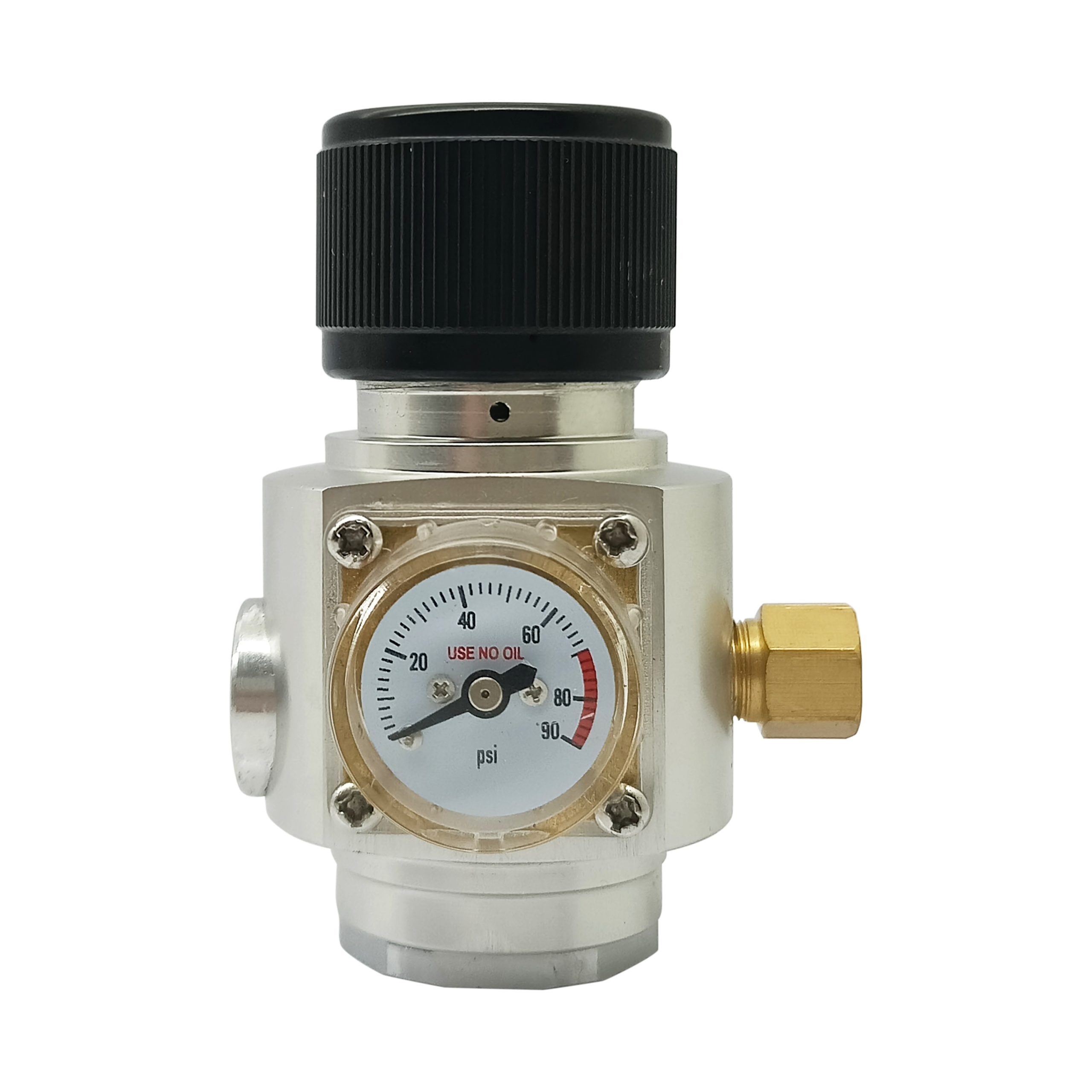
Reliable equipment helps keep the aquarium environment stable. Filtration provides important surfaces for beneficial bacteria, while proper circulation distributes oxygen and supports consistent conditions. In planted setups, equipment choices should also match the aquarium’s needs, and selecting a best co2 regulator can help provide controlled carbon dioxide delivery when supplementation is appropriate.
Simple equipment checks include:
- Inspect filter operation regularly
- Keep water movement consistent
- Check tubing and connections
- Clean equipment appropriately
- Replace worn components when needed
- Confirm stable temperature settings
Add Aquatic Life Gradually
Once the aquarium has completed its cycle and water parameters remain stable, aquatic life can be introduced gradually. Adding a small number at first gives the biological system time to adjust to the additional waste load.
Continue testing after stocking and maintain regular care. Consistent observation, appropriate feeding, and sensible maintenance help preserve the balance created during cycling.
Encourage Long-Term Stability
Aquarium cycling is the foundation of successful tank care. Allowing enough time for beneficial bacteria to establish creates a stronger biological environment and supports healthy aquatic living. With careful preparation, regular testing, dependable equipment, and gradual stocking, a new aquarium can develop into a clear, balanced, and enjoyable underwater habitat.